
Canadian Clinical Triage Symposium
Advancing the art and science of clinical triage
Canadian Clinical Triage Symposium
October 22–23, 2026 · Ottawa, Ontario
Building a community of practice for safe, effective, and consistent Clinical Triage in Canada.
Limited spots left! Hurry to secure yours!
In Collaboration With


Why Clinical Triage Matters
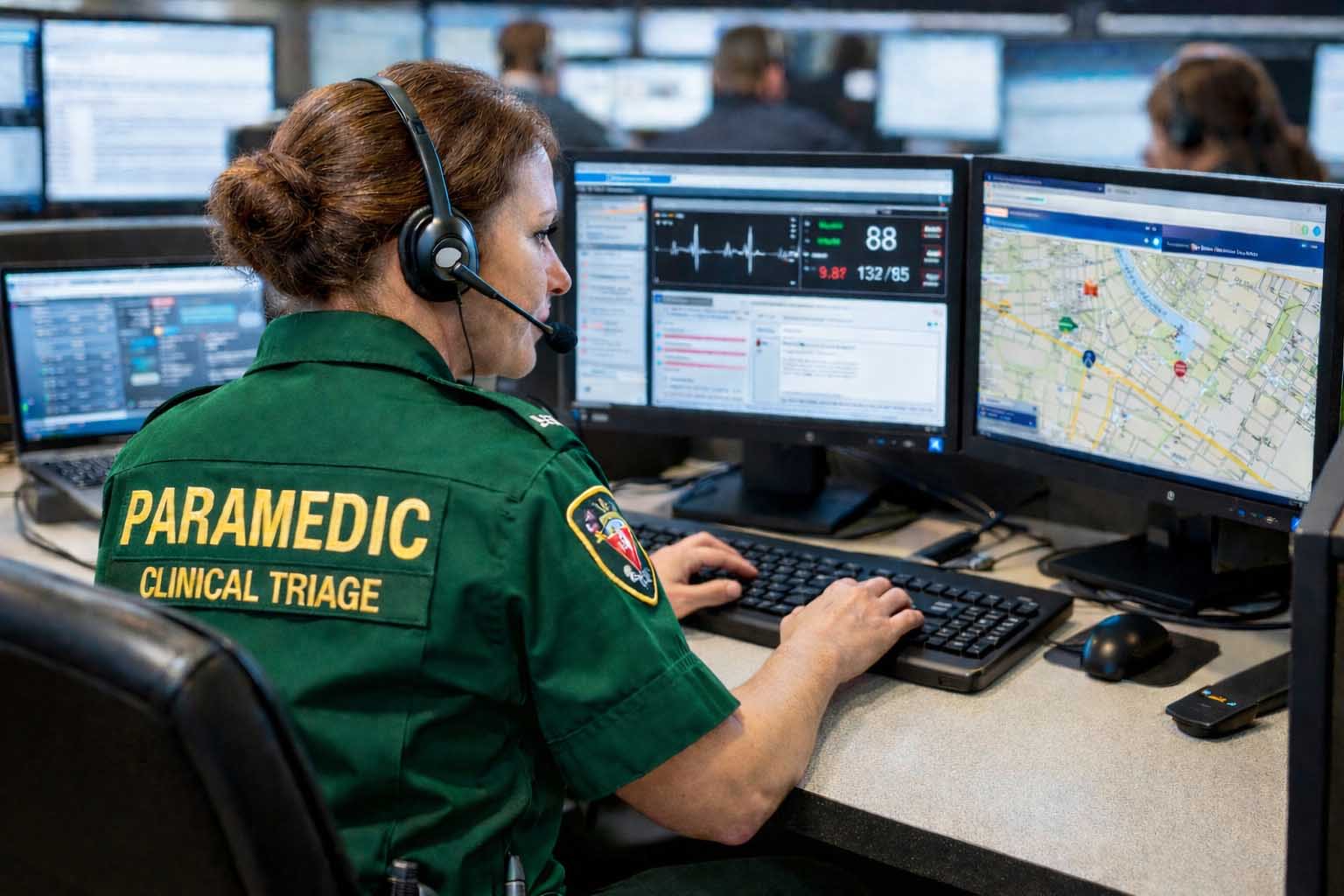
Clinical Triage (often referred to as Secondary Triage) is a clinician-led reassessment of low-acuity 9-1-1 calls that redirects patients to the most appropriate care pathway, reduces unnecessary emergency department visits, and preserves paramedic availability for high-acuity calls.
Internationally, particularly in the United Kingdom, mature clinical triage systems have been in place for more than a decade—demonstrating that this approach can be safe, effective, and system-transforming when implemented correctly.
In November 2025, paramedic leaders from across Canada and the UK came together in Ottawa for a Clinical Triage Knowledge Exchange Workshop. What emerged was clear and unanimous: Canada is ready for a national conversation and a community of practice for clinical triage.
Symposium Overview
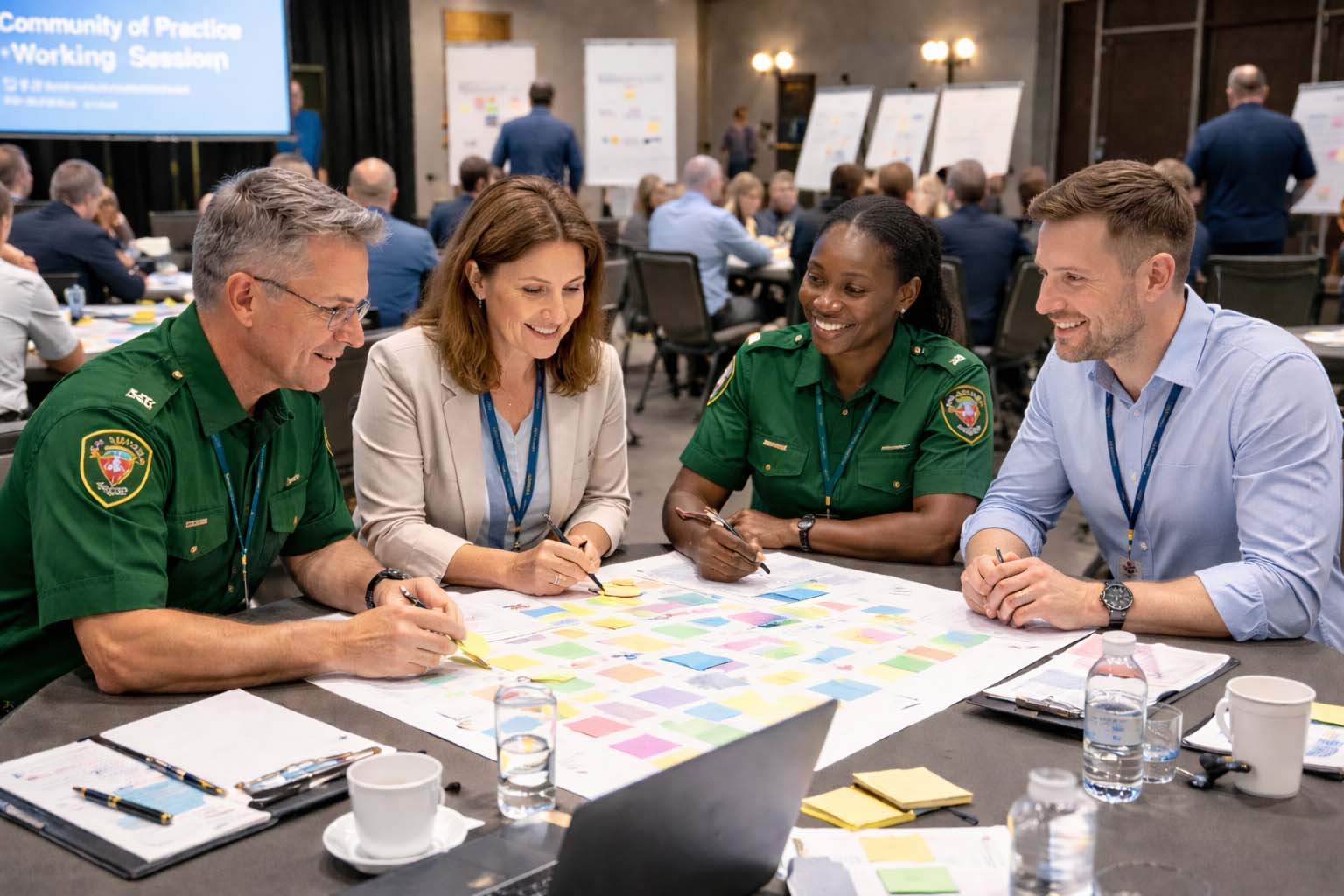
The Canadian Clinical Triage Symposium is a one-and-a-half-day working symposium designed to move beyond discussion and into collective action.
This is a collaborative session designed specifically for paramedic services that are exploring or actively involved in clinical triage.
An on-site technical writing team from MNP will lead the design and drafting of a formalized Community of Practice (CoP) framework for Clinical Triage, ensuring alignment with organizational objectives, stakeholder needs, and best practices in clinical governance and knowledge sharing.
Day 1 — Develop a Community of Practice
9:00am-5:00pm
An interactive working day focused on knowledge-building, idea sharing, and collaborative co-development of a clinical triage community of practice. Breakout sessions on distinct topics will be facilitated by subject matter experts and consist of the following:
-
Governance, scope, and system integration
-
Best practices and operational models
-
Performance metrics and quality indicators
-
Alternate care destinations and clinical pathways
Day 2 — Synthesis & Practical Outputs
8:00am-12:00pm
Focuses on research and determining the next steps.
Symposium Outputs
-
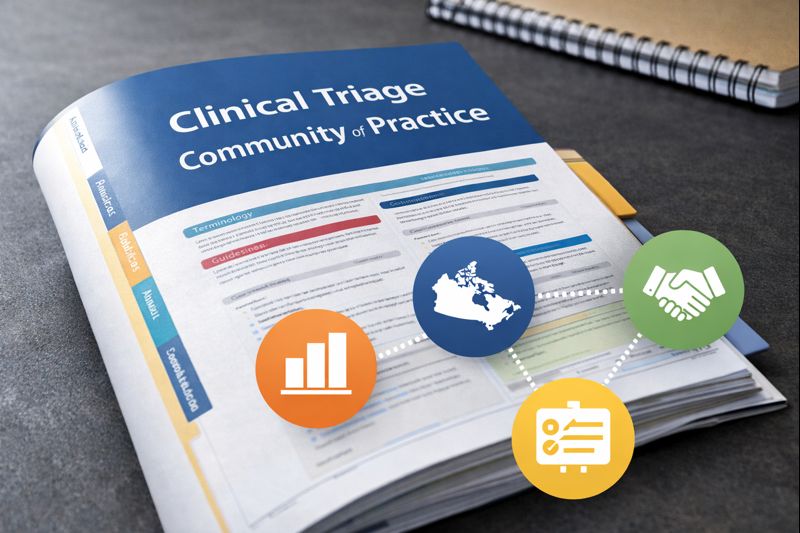
A draft Community of Practice document
-
Shared terminology
-
A practical foundation to support:
-
Policy development
-
Training curriculum
-
Clinical pathway guidelines
-
Future national standards
-
Location & Cost
Hilton Garden Inn (near Ottawa International Airport)
- The Hilton Garden Inn offers a free airport shuttle and is close to Ottawa’s Light Rail Transit
Cost : $199
Registration includes breakfast, lunch, snacks, a networking social with light refreshments, and access to a preferred hotel rate of $179 per night.

Our Facilitators
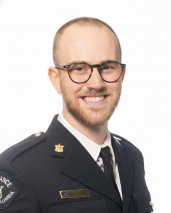
David Brown
David Brown is the Manager, Strategic Clinical Operations for the Clinical Hub program at BC Emergency Health Services, where he oversees the Secondary Triage program and builds clinical referral pathways to connect patients to alternate destinations across the province. With over a decade of experience as a paramedic, call taker, and dispatcher, he brings a holistic view and deep interest in how paramedic services can adapt to better serve patients through deeper integration into the healthcare system. David holds a Bachelor’s degree from BCIT and has personal research interests in how patterns of healthcare usage can inform future system demand.
The work of the Clinical Hub has been recognized in awards from the Paramedic Chiefs of Canada and the Canadian College of Health Leaders for innovation in service delivery, as well as awards from Provincial Health Service Authority and Health Quality BC for patient centered care.
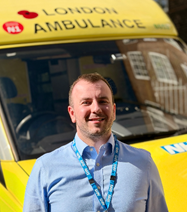
Joe Chilton
Joe Chilton is the General Manager for the Clinical Hub at the London Ambulance Service (LAS), leading a team of 250 clinicians delivering remote telephone assessment and Hear & Treat services across London.
A Registered Paramedic with a BSc (Hons) in Paramedic Practice, Joe has over ten years’ frontline experience in London before moving into clinical leadership. His area of expertise is remote clinical triage, specifically how telephone-based assessment can safely manage demand, improve patient outcomes, and reduce unnecessary conveyance.
Joe has a strong interest in clinical data, governance, and emerging technology, and how these tools can meaningfully improve care. He has led a number of significant workstreams at LAS, including the introduction of ambient voice technology, the development of clinical SOPs and triage guidance, and the redesign of rosters and control room operations. Under his leadership, the Clinical Hub has achieved year-on-year improvement, remotely assessing over 277,000 patients in 2025.
He was named Inspirational Leader at the LAS ‘Our LAS’ Awards in both 2024 and 2025, recognizing his contribution to change within the Clinical Hub.
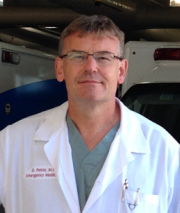
Dr. David A. Petrie
Dr. David A. Petrie is currently the medical director of the EHSNS Medical Communications Centre in Halifax, Nova Scotia. Dr. Petrie is also an emergency physician/professor of Emergency Medicine with Dalhousie University. He has been Medical Director of the Halifax Regional ground EMS system, the Provincial LifeFlight program, the Academic Head/Clinical District Chief of the Department of Emergency Medicine Dalhousie/Central Zone, and most recently, the senior medical director of the provincial Emergency Program of Care/Nova Scotia Health.
His academic interests have ranged from prehospital care and trauma systems research, to studying the impact of critical thinking and complexity science on leadership decision-making and health system redesign.
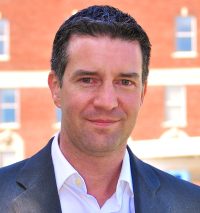
Dr. Christian Vaillancourt
Dr. Christian Vaillancourt is a Full Professor and Vice-Chair, Research and Scholarship with the Department of Emergency Medicine, University of Ottawa, and a Senior Scientist at the Ottawa Hospital Research Institute. He is cross-appointed with the School of Epidemiology and Public Health and was awarded a Research Chair in Sudden Cardiac Arrest Resuscitation by the University of Ottawa.
He obtained his MD from University of Montreal in 1994, completed his Royal College training in Emergency Medicine at McGill in 1999, and completed a Masters degree in Epidemiology at University of Ottawa in 2003. He is an Associate Medical Director for the Regional Paramedic Program for Eastern Ontario. His research program focuses on prehospital care, specifically improving the care and survival for cardiac arrest and trauma victims.
He chairs The Ottawa Hospital resuscitation committee and is a Co-Principal Investigator and recent Chair of the Canadian Resuscitation Outcomes Consortium (CanROC), a national network of cardiac arrest research centers. He is a long-time volunteer with the Heart and Stroke Foundation of Canada and the International Liaison Committee on Resuscitation.